Understanding your needs that our surface finishing is in high-precision

Surface Finishing

Finishing is generally the last or final step in the manufacture of components or at the final step of an operation of the component wherein the requirement is the highest quality in terms of accuracy, form, and surface integrity. Fine finishing that will be adding a functionality to the surface of the workpiece to enhance its quality characteristics.

Evercon has the in-house capacity for doing different types of surface finishing operations and supplies high-quality finish goods to its customers.


We use Finishing technology as a value-added manufacturing process to achieve the desired surface quality, geometric form and accuracy. It typically removes a very small amount of material on the scale of a micrometer or less.

Finishing processes basically follows previous material-processing and machining operations. The finishing technology also often encompasses both dimensional control and control of surface integrity including surface texture.

There are many ways of achieving surface finished components such as grinding, sand and grit blasting, buffing and polishing, painting, powder coating, thermal treatment and anodizing.

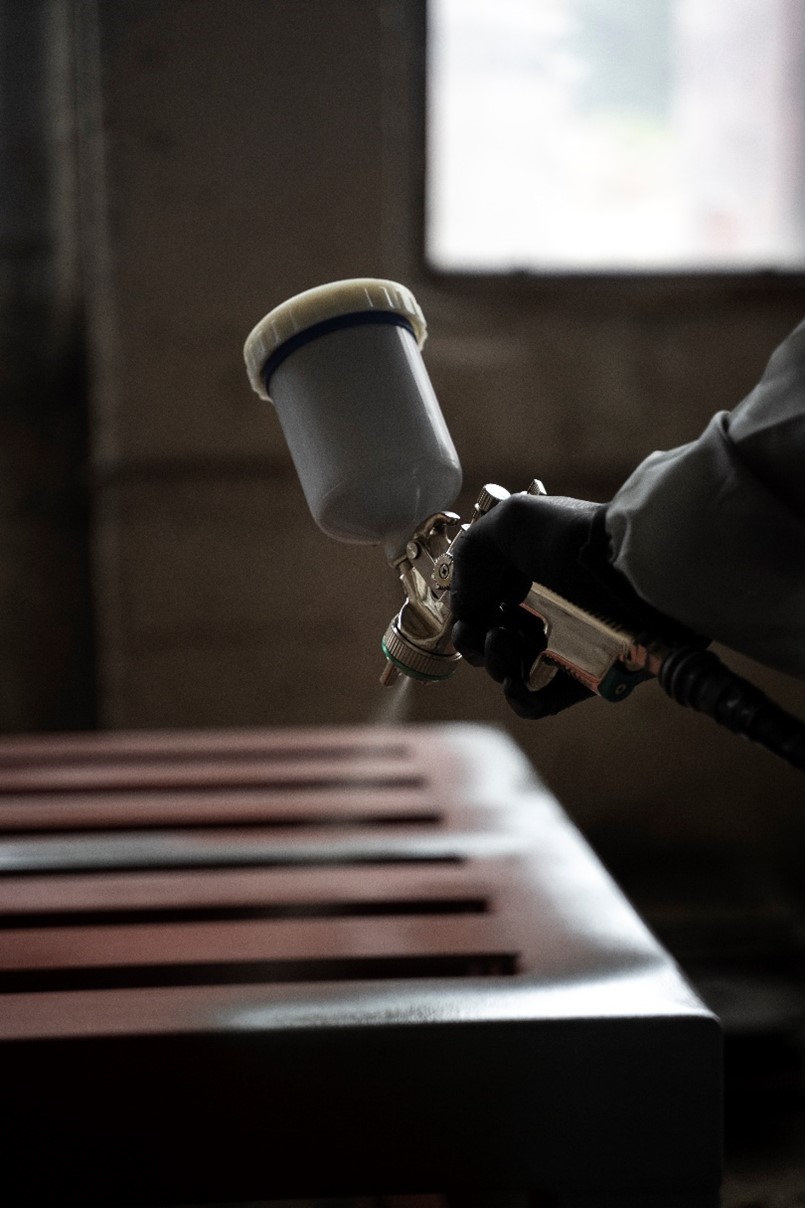
Painting

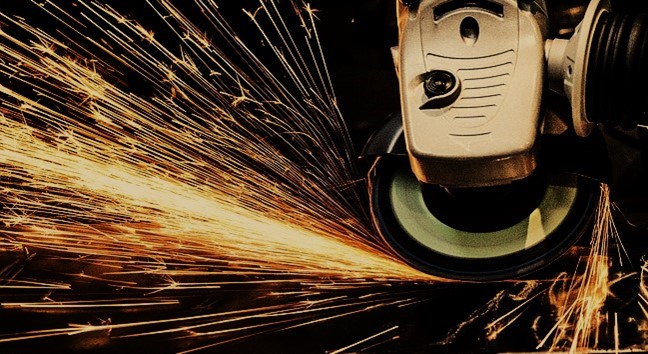
Grinding

Grinding is the most common form of abrasive machining. It is a material removal process in which the abrasive tool been used whose cutting elements are grains of abrasive material known as grit. These grits have sharp cutting tips, higher hot hardness, chemical stability and better wear resistance.

Surface Finishing

Evercon adopted different types of grinding process w.r.t. orientation and workpiece and supplied the quality component to end users.


The grits are bonded to give a shape to the abrasive tool.


A grinding wheel implies two types of specification.

laser cutting machine

Dimensional accuracy

Metal Surface finishing

Good surface finish

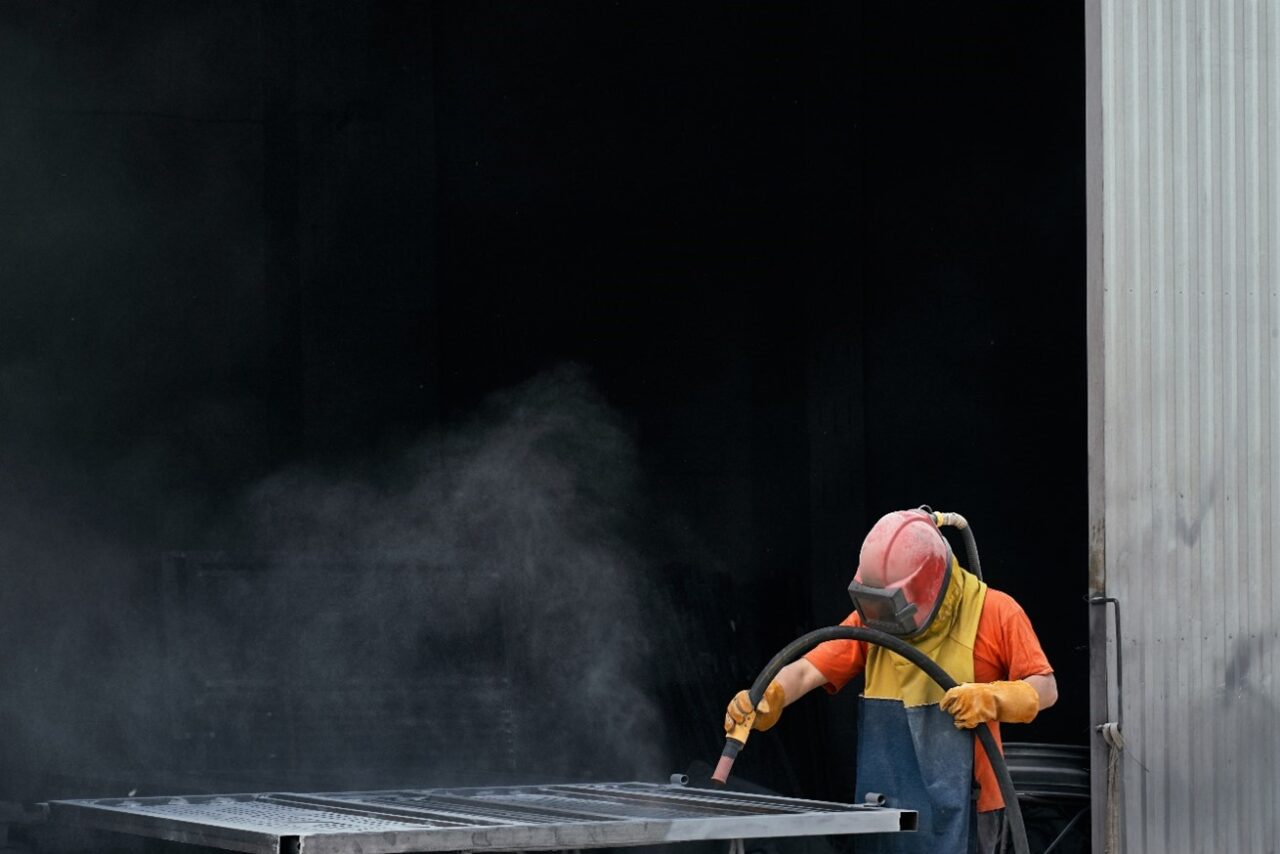
Sand Blast & Grit Blast


Evercon uses both type of Abrasive Blasting, i.e., Sand Blasting as well as Grit Blasting as per the requirement and client’s specification for finishing.


What is Abrasive Blasting?


Abrasive Blasting is a technique that creating surface textures by the impact of hard particles. Sand Blasting, also known as Abrasive Blasting, uses high-speed solid particles to smooth, shape, and clean hard surfaces. The process works like sandpaper but produces a more even finish and reaches corners and small spaces more effectively.

Sand Blasting equipment typically consists of a chamber in which sand and air are mixed. The mixture travels through a hand-held nozzle to direct the particles toward the surface or work piece. Nozzles come in a variety of shapes, sizes, and materials. Boron carbide is a popular material for nozzles because it resists abrasive wear well.

The particles hit a metal surface at high velocity, causing localized plastic deformation. The shape, size, hardness, and speed of the shot particles influence the final surface texture.


Grit Blasting is another form of Abrasive Blasting operation in which solid particles (abrasive material) forced across the work-piece surface at high speed for the process of smoothing, shaping and cleaning the work-piece surface.

Grit blasting

Buffing and Polishing

Polishing and buffing are finishing processes for smoothing a workpiece’s surface using an abrasive and a work wheel or a leather strop. Technically, polishing uses an abrasive bonded to the work wheel, while buffing uses a loose abrasive applied to the wheel. Polishing is a more aggressive process, while buffing is less harsh, which leads to a smoother, brighter finish.

A common misconception is that a polished surface has a mirror-bright finish, however, most mirror-bright finishes are actually buffed.


Evercon Group uses the buffing and polishing processes to provide smooth surface to the workpieces produced for the clients.

Polishing and Surface treatment

The removal of oxidization from metal objects is accomplished using a metal polish or tarnish remover; this is also called polishing. To prevent further unwanted oxidization, polished metal surfaces may be coated with wax, oil or lacquer. This is of particular concern for copper alloy products such as brass and bronze.

Evercon uses different types of high-end structure paints as per the client require like-as –

Painting & Coating​

Industrial Painting & Coating

Evercon provides industrial painting and coating solutions to protect metal components and fabricated structures while achieving the required appearance and finish.

Depending on project requirements, coating systems can improve corrosion resistance, wear resistance, surface durability, and visual identification. Available paint options include acrylic finishes, epoxy zinc-rich coatings, alkyd resin paints, anti-corrosive epoxy polyamide coatings, and non-yellowing acrylic polyurethane finishes.

Powder Coating Services

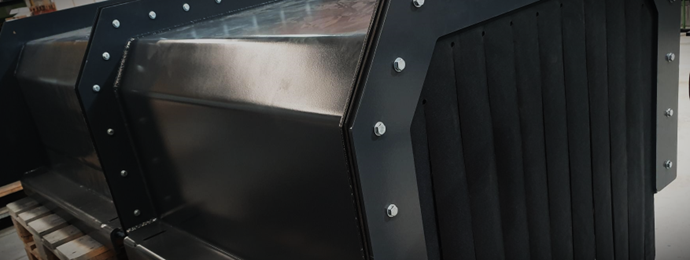
Evercon supports powder coating requirements for fabricated components and finished products based on specified RAL colors. Powder coating provides a durable and uniform surface finish and is available in gloss or matte options according to project requirements.

What is Powder Coating?

Powder coating uses a free-flowing, dry powder as the coating material. Unlike conventional liquid paint, which manufacturers deliver through an evaporating solvent, operators typically apply powder coating electrostatically and then cure it under heat or ultraviolet light. The powder can be a thermoplastic or a thermoset polymer, and manufacturers commonly use it to create a hard finish that is tougher than conventional paint.

Wet Painting Services

Our wet painting services support fabricated metal parts, machinery components, industrial structures, and assembled products requiring a smooth, protective, and decorative finish. We select paint systems according to the material, operating environment, corrosion-protection requirements, desired color, and finish specification.


Wet painting can be applied using suitable primers, intermediate coats, and finishing coats to achieve the required surface protection and appearance.


Wet Painting Services

Anodizing

It is an electrolytic process of oxide coating, generally on Aluminum and its alloys.

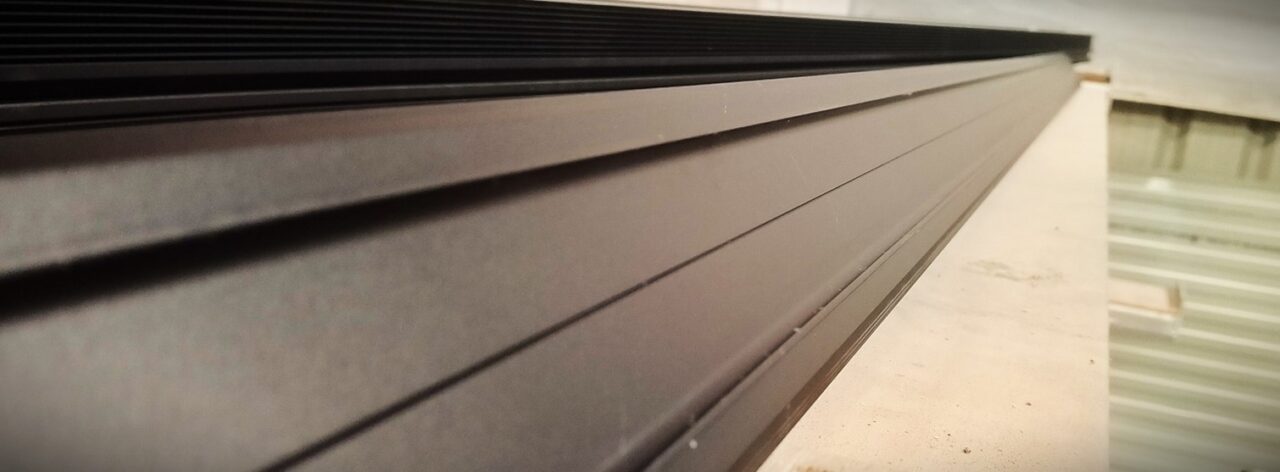
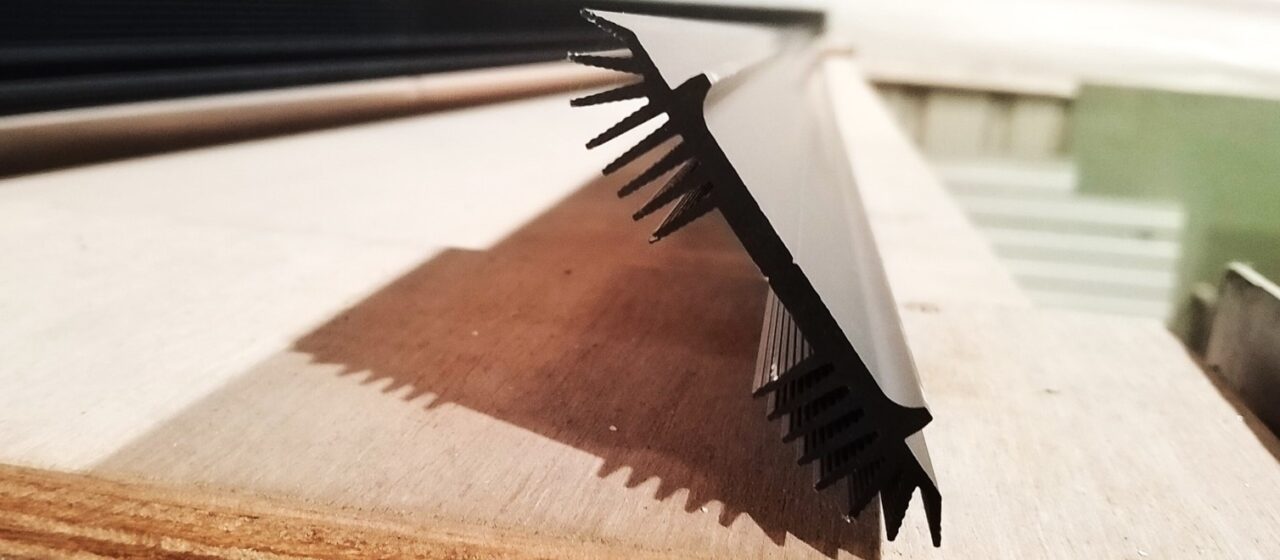
Evercon uses the anodizing process for the Aluminum profiles for the machine assembly parts with thickness variation of 5 – 25 µm which give improved surface resistance to wear and corrosion.

Anodizing
Anodizing services

Journey of Growth and Achievement

Evercon has experienced great growth over the years, but we’ve strived to maintain a family atmosphere where employees can thrive and succeed. Without a doubt, the people behind Evercon are the key of our success.

Tell Us What You Need To Get Done.

Our success is built on strong, personal relationships. Give us a challenge, a budget and
a deadline; we’ll meet them all while maintaining the quality and economy you demand.

Contact Evercon

How can we help
your business?

Are you ready to engage Quality Sheet Metal for your next welding or fabrication project? Feel free to contact us to get started.

    Metal Selection
    Evercon HQ

    Thailand - HQ

    Evercon Location

    Finland

    Call to Evercon

    Call Us

    +66 (0) 33 683 377

    Write Email

    Email us

    info@evercon.co.th