Understanding your needs

Metal Fabrication

The chapter and learning of metal removal, metal cutting, and machine tools is one of the fascinating experiences. Machining of different types, composition and grade of material is invented and adopted to get the required geometrical sizes and shapes, to get higher surface finish and to achieve the finish product within required tolerances.

Manufacturing technology

It is going through major technological revolutions because of the continuous development. After the introduction of computers and microprocessors, development of Numeric Control has completely changed the machine tool scenario by bringing in the flexibility which was not possible earlier through the conventional mechanisms.

Evercon adopted the different manufacturing processes and brought them all into one roof to deliver the turnkey service and solution to its client.

Evercon uses different cutting processes and tools, like laser cutting, plasma cutting, and bandsaw cutting according to the material, grade and tolerance requirement and perform the job to the optimized solution to generate minimum scrap and rejections.

Among all manufacturing processes available, metal removal is considered one of the most expensive methods, primarily due to raw material costs. In addition, a substantial amount of material is removed in the form of chips in order to achieve the required shape, which further increases overall production costs.


To address this requirement efficiently, Evercon utilizes CNC-operated milling machines to complete the material removal process. As a result, the desired geometry is achieved with the specified tolerances and proper surface finish, ensuring readiness for further processing stages.


Furthermore, bending is a highly universal process that is required in almost every turnkey metal fabrication project. Therefore, Evercon employs both sheet bending and tube bending machines to accurately perform angular bending operations and successfully complete production requirements.

metal fabrication

Sheet Metal Fabrication

Sheet Metal Fabrication is a widely used operation especially for automotives and machine manufacturing. It comprises:

laser cutting machine

Cutting Operation

Bending Operation

Drawing Operation

Forming Operation
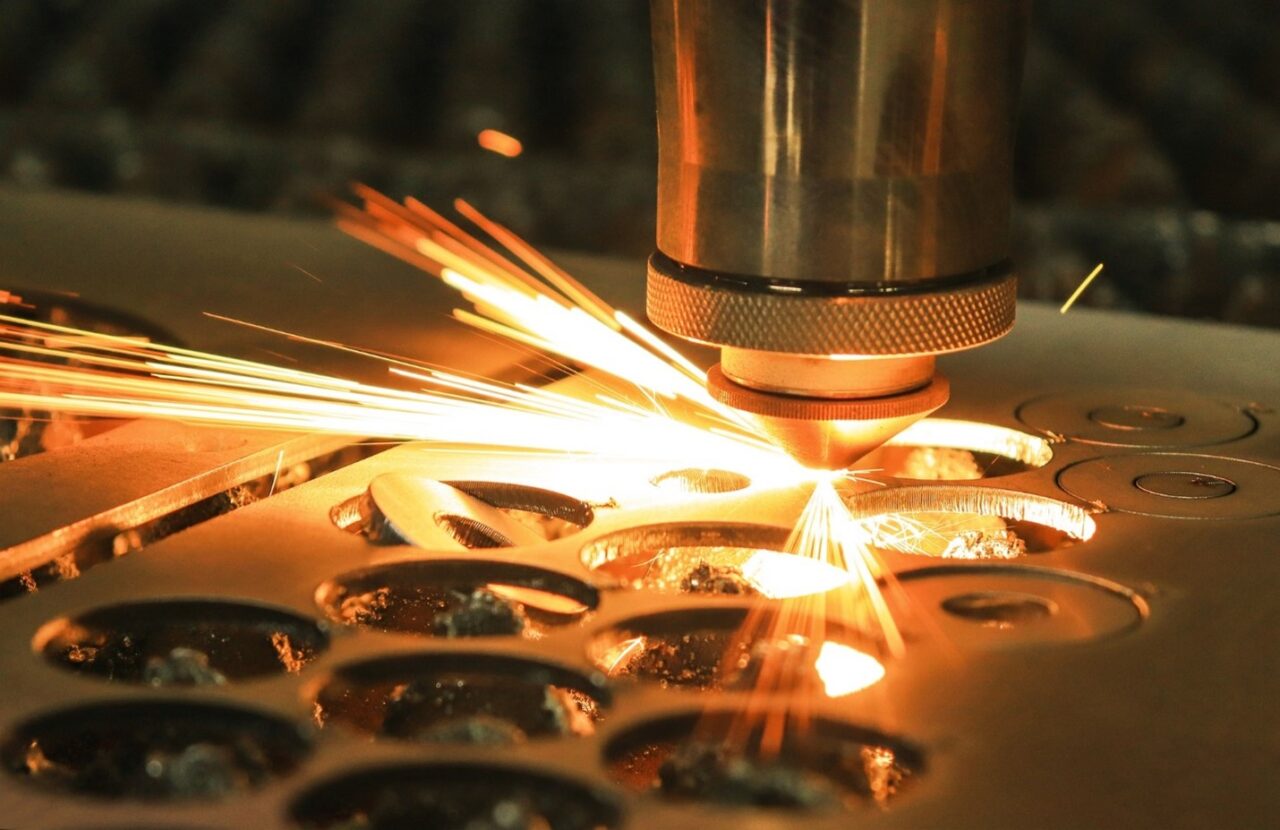
Sheet metal fabrication includes sheet and tube cutting processes performed using both conventional and unconventional machines, as well as sheet and tube bending operations carried out with precision bending equipment. In addition, it also involves metal drawing and forming processes to achieve complex geometries and structural requirements.


However, Evercon primarily focuses on cutting and bending operations, as these processes are essential for the majority of manufactured products. Nevertheless, the company is fully capable of producing components that require drawing or forming processes whenever the application demands it.


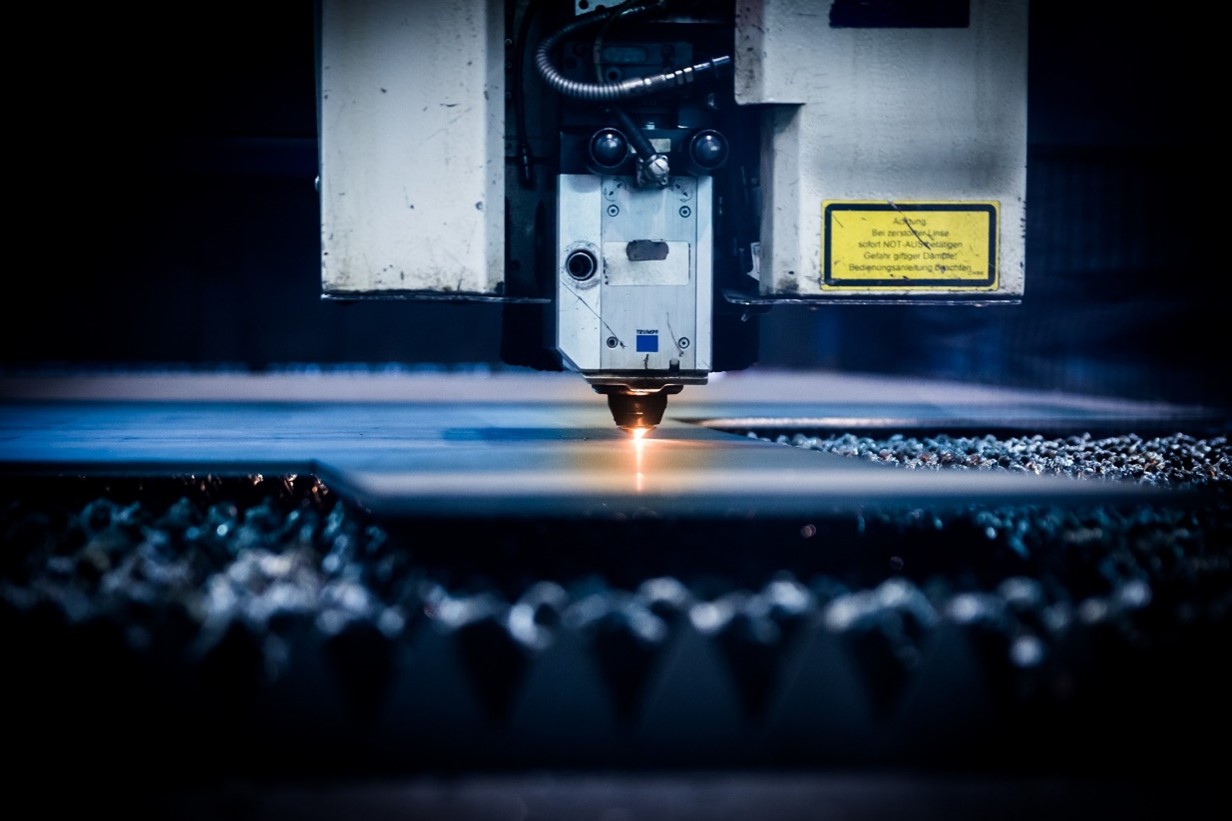
To ensure high precision and reduced lead time, Evercon utilizes advanced laser cutting machines for sheets ranging from 0.5 mm up to ≥6 mm thickness and plates from below 6 mm up to 20 mm thickness. As a result, superior edge finish and timely project completion are consistently achieved within customer deadlines.


Furthermore, Evercon employs bending machines to accurately perform 90° and 45° angle bending for both metal sheets and tubes, ensuring dimensional accuracy and structural integrity of the final product.

Sheet Metal Fabrication
Industrial Sheet Metal Fabrication

CNC Laser Cutting Machine

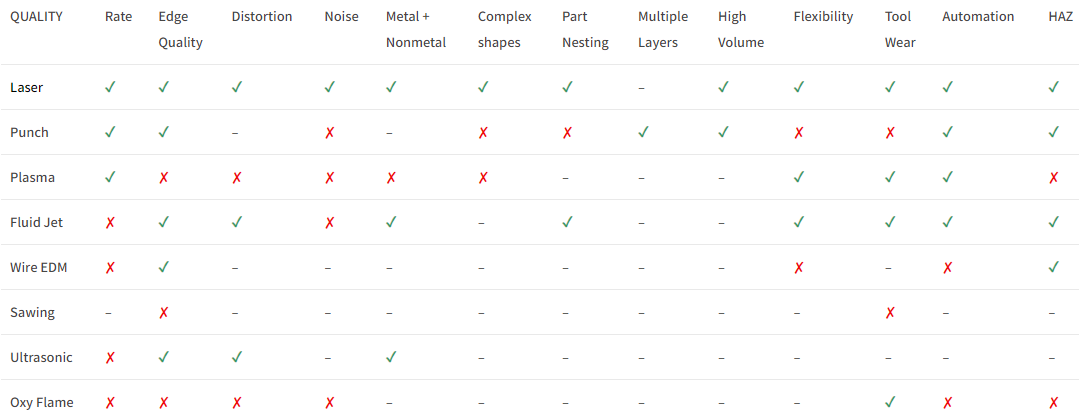
Laser cutting is one of the fastest and highest-quality finishing processes when compared to other cutting methodologies such as plasma, waterjet, punching, ultrasonic, and oxy-fuel cutting. Moreover, the process is fully automated and CNC-operated, and it generally does not require clamping of the workpiece, which improves efficiency and reduces setup time.


In addition, since laser cutting is a non-contact process, tool wear is virtually eliminated and the noise level remains very low. Furthermore, the need for tool changes is minimal, contributing to higher productivity. Almost all types of materials can be processed, regardless of hardness, ductility, or brittleness.


Another key advantage is the formation of a very narrow Heat Affected Zone (HAZ) along with an extremely thin re-solidified layer in the micron (µm) range, particularly in dross-free cuts. As a result, material distortion is negligible, ensuring dimensional accuracy and superior edge quality.

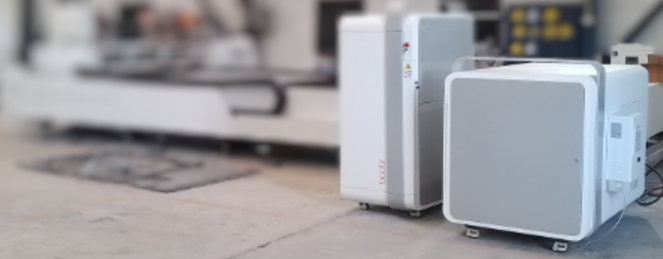
Evercon uses the CNC laser cutting machine and the additional point of our machine is –

Comparison of Different Cutting Processes

QUALITY

Rate

Edge Quality

Distortion

Noise

Metal + Nonmetal

Complex shapes

Part Nesting

Multiple Layers

High Volume

Flexibility

Tool Wear

Automation

HAZ

Laser

Punch

Plasma

Fluid Jet

Wire EDM

Sawing

Ultrasonic

Oxy Flame

Plasma Cutting Machine

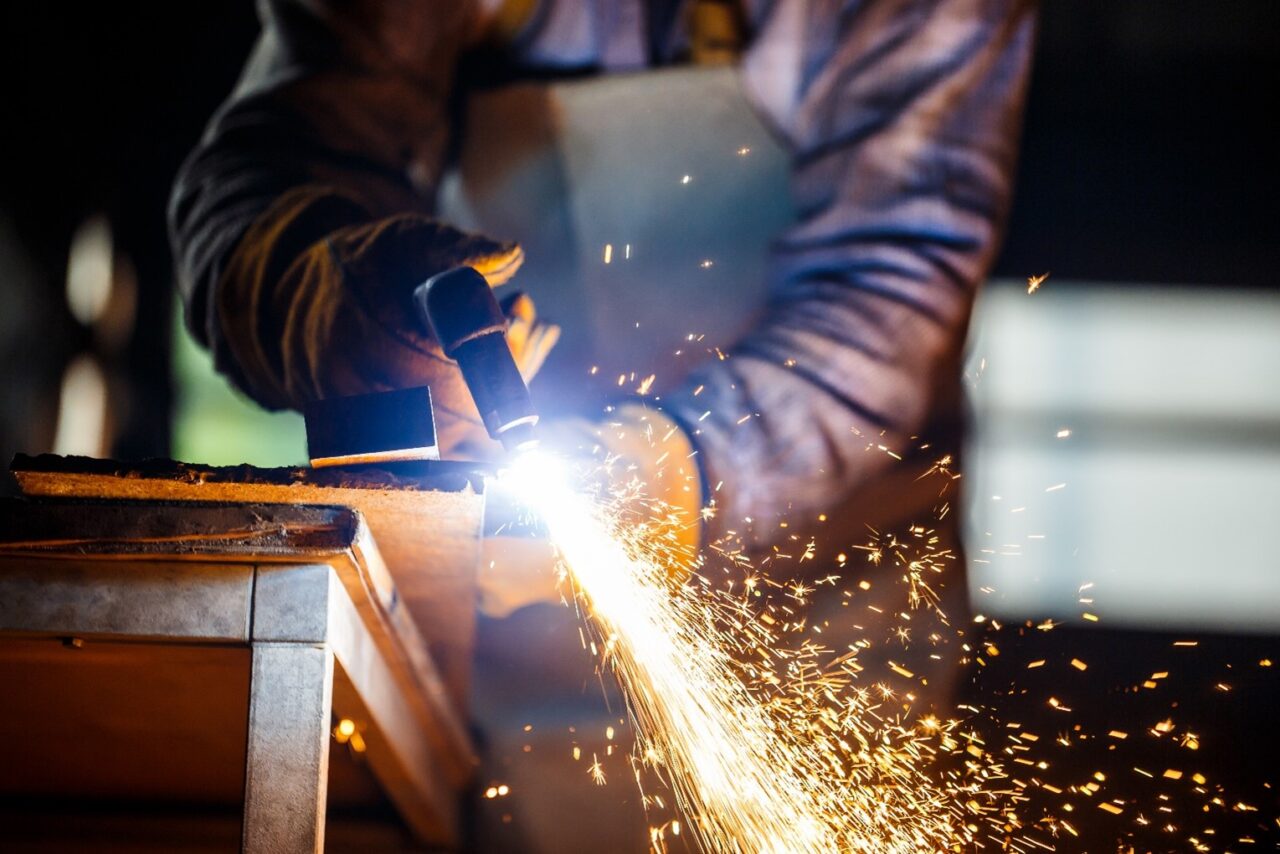
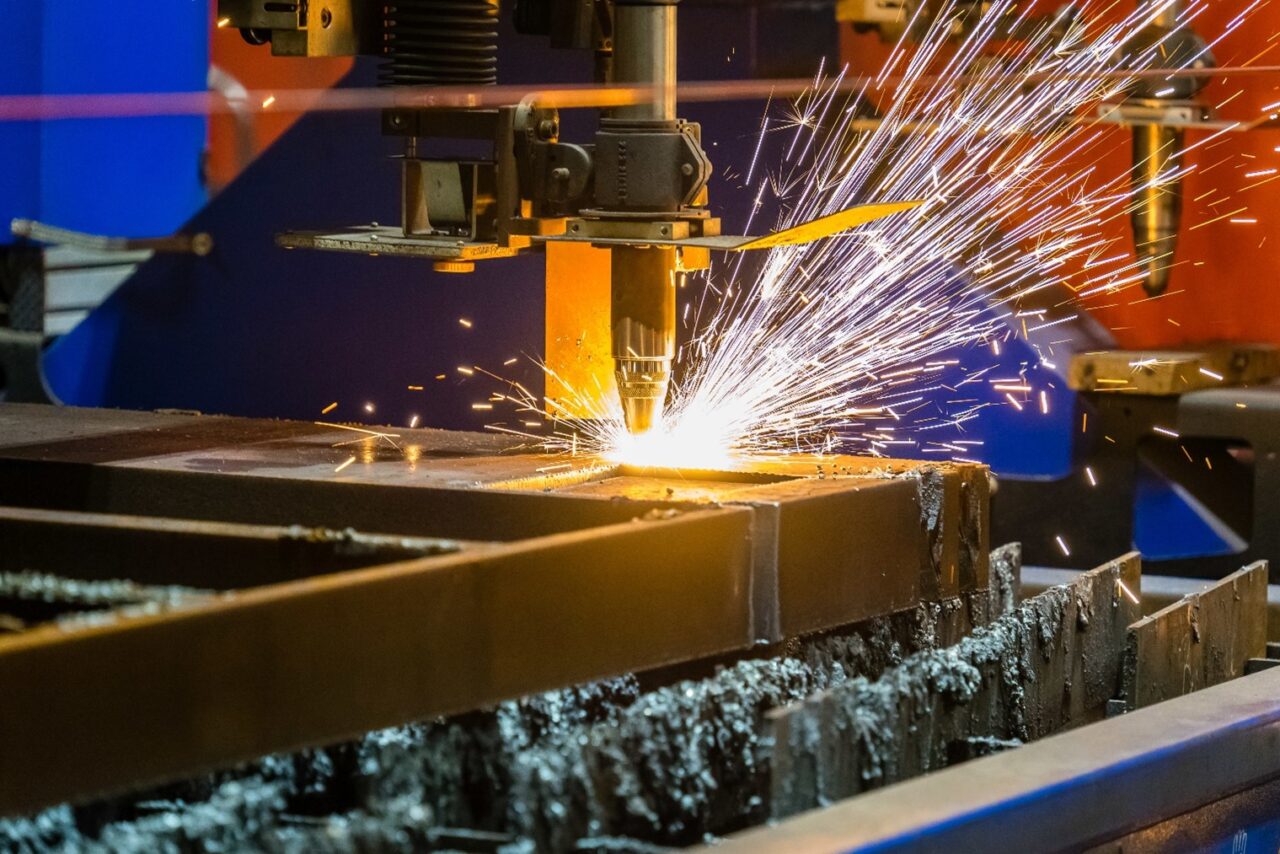
Plasma is a conductive gas that induces electricity as the ionization of gas causes the formation of free electrons and positive ions among the gas atoms. When this occurs, the gas becomes electrically conductive with current carrying capability and becomes plasma.


The plasma cutting principle is the arc generated between the electrode and the work piece is constricted through a bore nozzle and the phenomenon increases the temperature and velocity of plasma spread out from the nozzle.


Plasma arc temperature is more than 20,000°C and the velocity can approach the speed of sound. During cutting, the plasma gas flow is very high and forms a deeply penetrating high temperature plasma jet there by cutting through the material.


The force of the arc blows away any molten material in the form of dross.


Plasma Cutting Machine

The plasma process operates by using the high temperature arc to melt the metal. The plasma process can therefore be used to cut metals including cutting metals which form refractory oxides such as stainless steel, aluminum, cast iron and non-ferrous alloys. The cut quality is dependent on many parameters, but the system is easy to use and often is the only practical or cost-effective solution.


Evercon uses P.A.M to cut the plates wherever the cost-effective solution required in the projects and feasibility include the quality and within tolerances.

Bandsaw Cutting

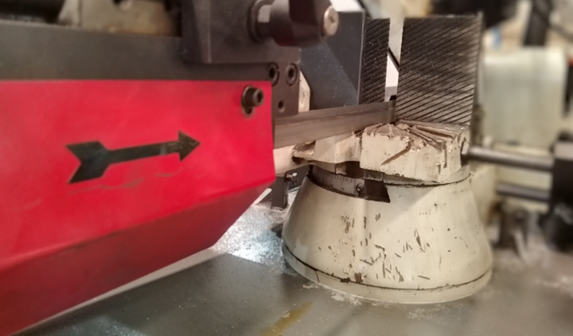
A sawing machine is a machine tool designed to cut off bar stock, tubing, pipe, or any metal stock within its capacity, or to cut sheet stock to desired contours. The sawing machine functions by bringing a saw blade containing cutting teeth in contact with the workpiece to be cut and drawing the cutting teeth through the workpiece. The sawing machine is much faster and easier than hand sawing and is used principally to produce an accurate square or mitered cut on rectangular or cylindrical material.


Evercon buys the standard stock raw material from supplier, i.e., 2.4m X 1.2m sheet and plates, 4m/6m/12m long tubes and according to production requirement, cut sizes have been made with the help of Bandsaw machines wherever possible.

Metal Sheet Bending

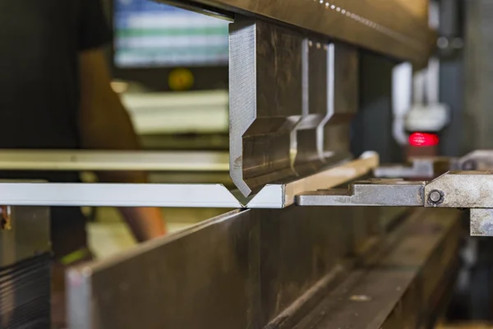
The bending process in sheet metal fabrication is extensively used in manufacturing industries, particularly in automotive and machinery production. In fact, it is one of the fundamental operations for altering the shape of a metal sheet to meet specific design requirements and geometrical specifications.


Typically, this is the most common sheet metal forming process, producing a V-shaped profile along the axis of the material by applying controlled force to bend the sheet into the desired configuration. This process is primarily suitable for ductile materials, which can undergo deformation without cracking.


In practice, bending operations are performed using equipment such as press brakes, pan brakes, and other specialized forming machines. For example, in wipe bending, the sheet is firmly held against the die using a pressure pad, forcing the material to bend along the radius of the die edge to achieve the required angle and shape.

Made-to-order metal fabrication

Two main quality considerations when doing the sheet metal bending process –

Formability

Dimension

Consistency is also necessary as it is minimizing the variations in dimensions which is an essential requirement within the manufacturing space particularly with the focus on bending operation are analyzed.

Metal Tube Fabrication

Metal tube fabrication is a widely used operation especially for machinery manufacturing and heavy constructions. It comprises

laser cutting machine

Cutting Operation

Bending Operation

Tube fabrication includes tube cutting and tube bending process by conventional and unconventional machines, tube bending process by bending machines.


Evercon majorly adopted the cutting and bending process because these processes are required for almost every product manufacturing.

Metal Tube Cutting & Bending

Evercon uses bandsaw machines to cut round and rectangular tubes and wire/tube bending machines for bending operations.


Metal Tube Cutting

Evercon uses unconventional laser cutting machine for tube cut and small hole making operations on metal tube surface to achieve the finish and lesser lead time of completing the operation.

metal tube fabrication

Journey of Growth and Achievement

Evercon has experienced great growth over the years, but we’ve strived to maintain a family atmosphere where employees can thrive and succeed. Without a doubt, the people behind Evercon are the cornerstone of our company’s success.

Tell Us What You Need To Get Done.

Our success is built on strong, personal relationships. Give us a challenge, a budget and
a deadline; we’ll meet them all while maintaining the quality and economy you demand.

Contact Evercon

How can we help
your business?

Are you ready to engage Quality Sheet Metal for your next welding or fabrication project? Feel free to contact us to get started.

    Thailand - HQ

    Finland

    Call Us

    +66 (0) 33 683 377

    Email us

    info@evercon.co.th